

Why Lunch Deals Remain Popular Among Office Workers
Key Takeaways
- Lunch deals continue to appeal to office workers because they save time, money, and mental effort.
- Fixed-price meals fit neatly into predictable workday schedules.
- Social habits and team dynamics quietly reinforce lunch deal culture.
- Convenience and consistency matter just as much as price.
- Lunch deals in Singapore have evolved to match changing work patterns.
Introduction
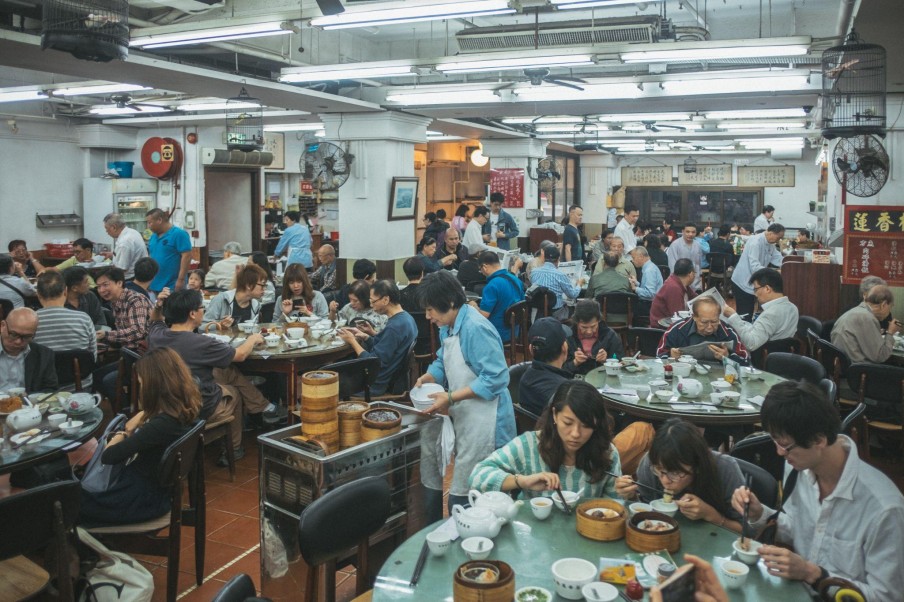
Lunch hour in Singapore is a strange mix of urgency and ritual. Laptops stay open, calendars stay tight, and yet, somehow, everyone still needs a decent meal before the next meeting. This is where lunch deals step in. For office workers, they are not just about saving a few dollars. They are about removing friction from the middle of a busy day. Over time, lunch deals in Singapore have become less of a promotion and more of a workplace norm.
The Comfort of Predictability
Workdays thrive on structure. Meetings follow meetings, emails pile up, and decision fatigue sets in faster than expected. Lunch deals offer a small but welcome sense of certainty. A set menu, a fixed price, and a clear serving time take the guesswork out of lunch.
There is also comfort in knowing exactly how long a meal will take. A set lunch that arrives in ten minutes beats waiting half an hour while checking the clock. That predictability matters when a calendar reminder is already flashing.
Price Still Matters, Just Not Alone
It is easy to assume that affordability is the main draw, and yes, price plays a role. Office workers eat out often, sometimes five days a week. Over a month, small savings add up.
But the appeal goes deeper. Lunch deals feel fair. The value is clear, the portions are sensible, and there are no awkward calculations at the counter. In a city where dining costs can swing wildly, lunch deals in Singapore create a sense of balance that feels reassuring rather than flashy.
Speed Is the Real Luxury
Time is the unspoken currency of the workday. A long lunch can feel indulgent, even stressful. Lunch deals are designed for speed. Kitchens plan, menus are trimmed down, and service flows faster.
This efficiency suits office culture. Nobody wants to rush through a meal, but nobody wants to be late either. Lunch deals quietly respect that tension. They allow people to eat well without feeling like they have stolen time from their workload.
Social Habits Play a Bigger Role Than Expected
Lunch is rarely a solo activity in offices. Teams head out together, colleagues follow familiar routes, and habits form quickly. Once a place becomes known for a reliable lunch deal, it tends to stay in rotation.
There is also a social ease to ordering the same set meal as everyone else. It removes awkward pauses and long menu debates. When everyone knows the drill, lunch becomes smoother, almost automatic. That shared rhythm keeps lunch deals firmly embedded in office life.
Variety Without Overthinking
Lunch deals are limited, yet they somehow prevent boredom. Many eateries rotate mains weekly or offer small custom tweaks. It feels varied enough without becoming complicated.
Office workers often want novelty, just not at the cost of time or effort. A rotating lunch set scratches that itch. It introduces change while staying within a familiar frame. That balance keeps lunch deals in Singapore relevant even for those who eat out daily.
Adapting to New Work Patterns
Work culture has shifted. Hybrid schedules, flexible hours, and staggered lunch breaks are now common. Lunch deals have adapted quietly. Extended lunch hours, takeaway-friendly sets, and delivery bundles now sit alongside traditional dine-in offers.
This adaptability keeps lunch deals aligned with real office routines. Whether someone is back at their desk by one or eating between calls at two, the structure still holds.
More Than Just a Meal
Lunch deals succeed because they understand the emotional texture of the workday. They offer a pause without pressure, a break that feels earned but controlled. In a small way, they signal that efficiency does not have to come at the cost of enjoyment.
That is why lunch deals in Singapore remain popular. They fit into the workday without demanding attention. They simply work.
Conclusion
Lunch deals have become part of office life because they answer multiple needs at once. They save time, keep costs sensible, reduce daily decisions, and support social routines. As work patterns continue to shift, their appeal shows no sign of fading. For many office workers, lunch deals are not a treat. They are a quiet necessity.
To explore more everyday dining habits and workplace food trends, visit Taste of SG for fresh insights and stories.